13.1.8 GPS Antenna Shelf

This entry is part 46 of 67 in the series 13 - Electrical / Instruments

Now that I (finally) have an IFR capable GPS, I need an antenna.  I could have purchased one from Grand Rapids for $550, but I decided to check with the manufacture of the antenna they sell.  Sensor Systems sold me the same antenna for about $425.  Sweet!

Usually the antenna is mounted top of the fuselage.  On aluminum aircraft, you have to put it outside otherwise the metal blocks the signal.  That’s not an issue with a composite aircraft.

Most Velocity builders put the antenna on the canard under the cover known as the “doghouse”.  Other builders create a shelf under the doghouse.

Me and Malcolm went back and forth on the best approach.  Under the doghouse and you have lift up the doghouse and reach in to disconnect the antenna before removing the doghouse completely. On the canard and it’s one more thing competing for space in a very busy area with things that move (trim motor and autopilot pitch servo). And it’s got to be elevated to allow for the antenna cable.

In the end I decided to put it under the doghouse.

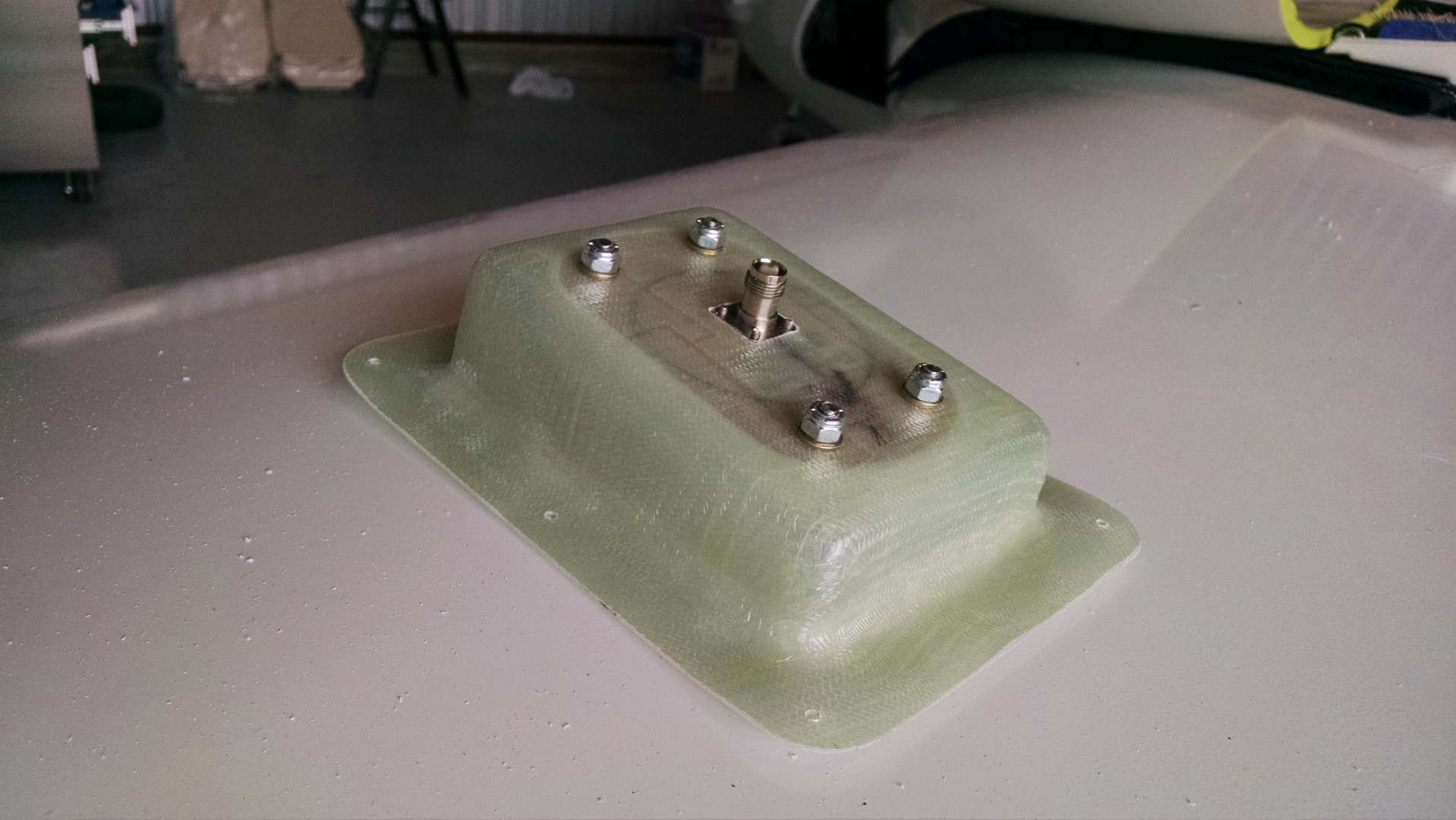
So Malcolm did what Malcolm does best: Create things out of resin and fiberglass.

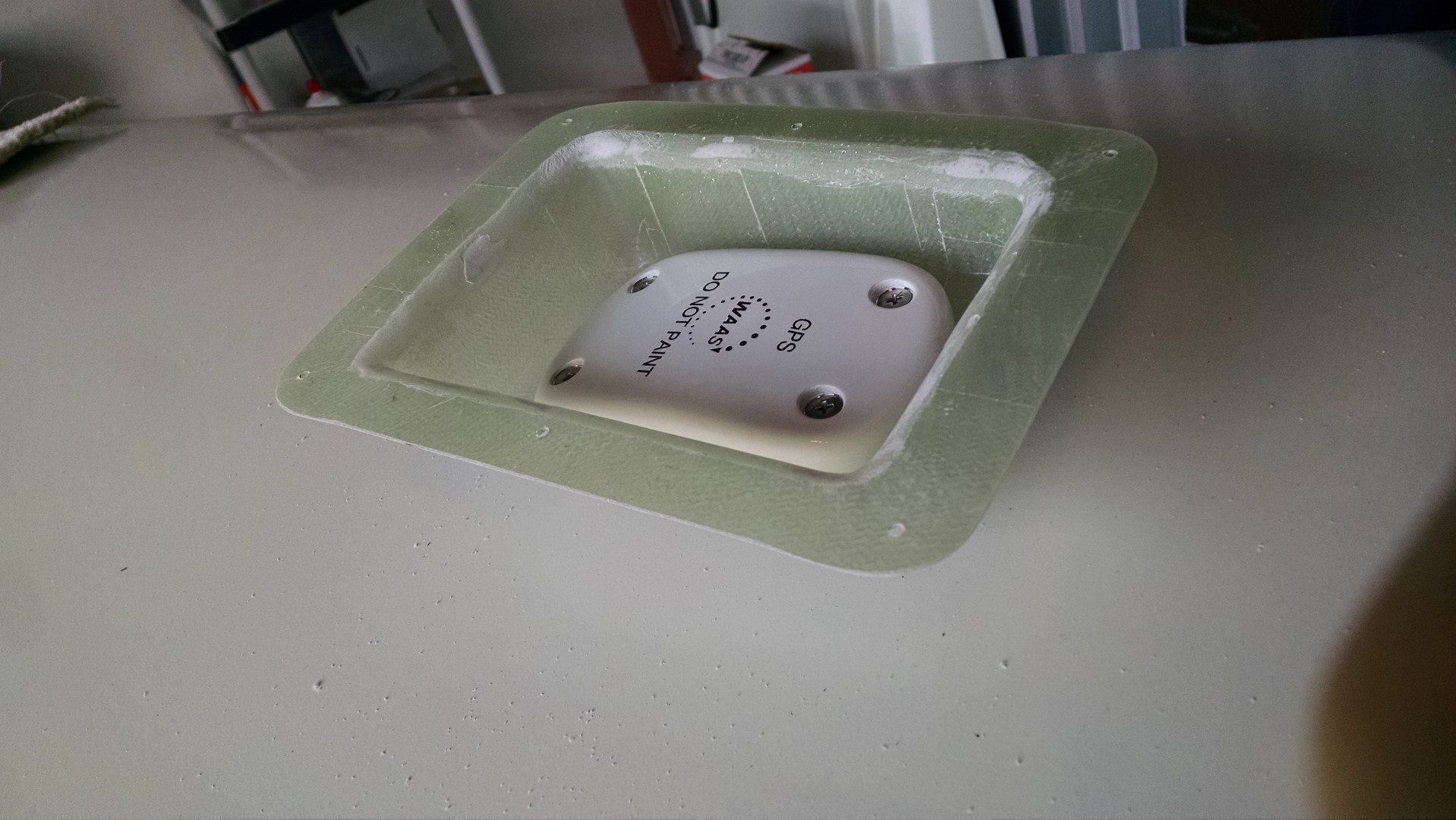
Here’s the GPS Antenna Shelf.
2015-01-16 IMG_20150116_092301942 (Large)

With the antenna installed

2015-01-16 IMG_20150116_092854521 (Large)2015-01-16 IMG_20150116_092832475 (Large)

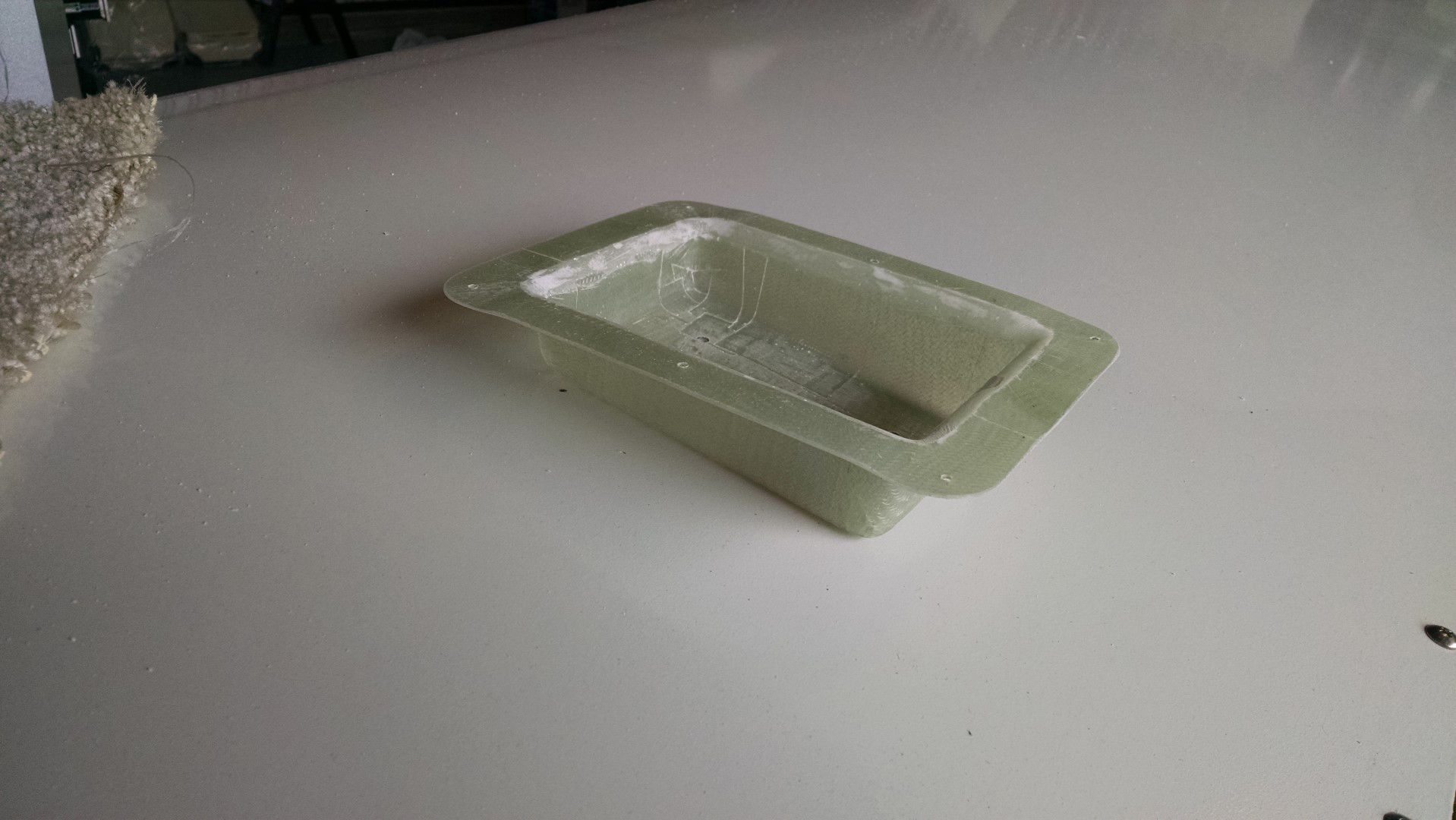
Attached to the underside of the doghouse.
2015-01-16 IMG_20150116_093808645 (Large)

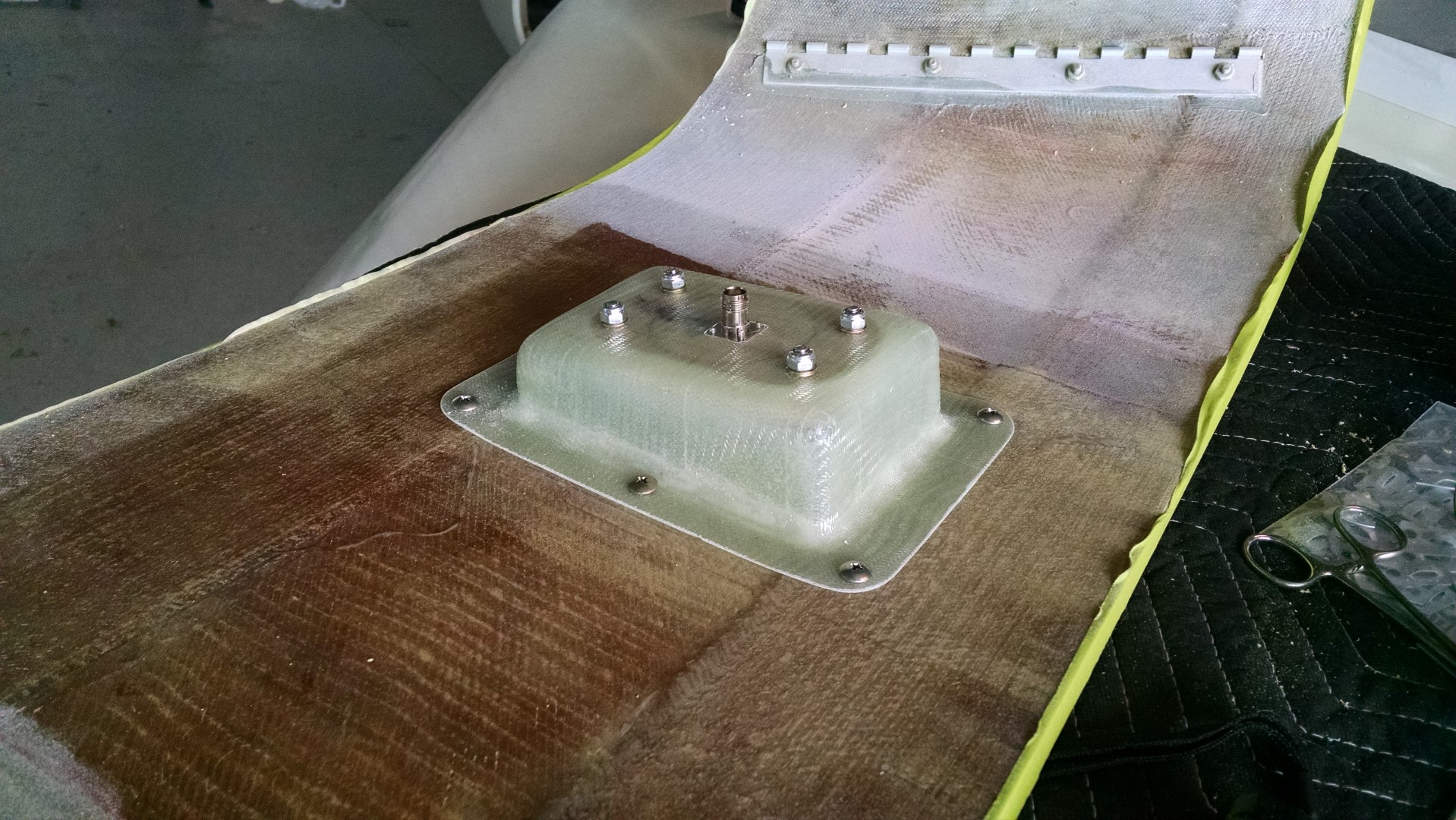
With the doghouse installed on the canard.
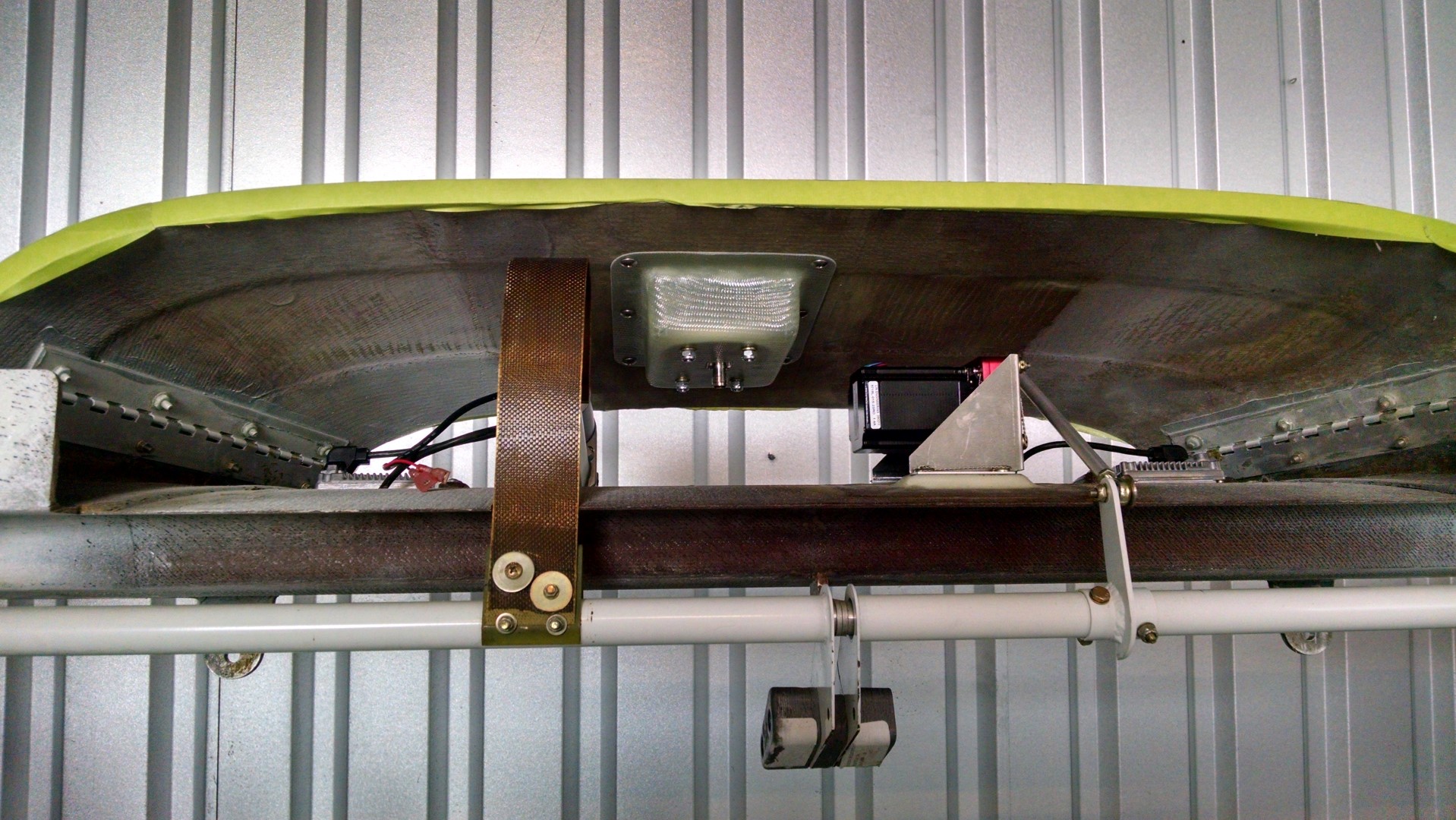
2015-01-16 IMG_20150116_093910110_HDR (Large)

13.0 Wire Routing (Remediation)

This entry is part 48 of 67 in the series 13 - Electrical / Instruments

I finished the re-securing of the smaller wire bundles.

Here’s the left main gear leg with the wire bundle for the landing gear position sensors.

2015-01-14 IMG_20150114_153735081 (Large)2015-01-14 IMG_20150114_153728438 (Large)2015-01-14 IMG_20150114_153744946 (Large)

You’ll notice quite a few of those crappy, nylon wire mounts were loose. Not only could that damage a wire which would indicate an unsafe landing gear but it could also affect the mechanism itself and prevent the landing gear from locking in place.

So I removed all of those pads and replaced them with the new style. Which are not epoxied in place with structural adhesive.

2015-01-15 IMG_20150115_083238478 (Large)

These puppies aren’t going anywhere!

13.0 Wire routing

This entry is part 45 of 67 in the series 13 - Electrical / Instruments

One of the tasks with the electrical system is securing the wires. Larger wires like the main power distribution wires and large wire bundles are secured by Adel clamps.  2013-12-13 IMG_20131213_101703_841a

It’s also possible to use Adel clamps for smaller wire bundles. This is the autopilot roll servo wire harness.

2014-08-01 IMG_20140801_080749709 (Large)

But in some places, Adel clamps are difficult to use if there’s limited space/access since they have to be screwed in and they’re a bit overkill for small wire runs.

One of the places they won’t work is on the gear legs.  I don’t want to do anything that could affect the integrity of the gear leg like drilling a hole in it.

So I picked up a bag of plastic wire tie mounts with self adhesive foam backing at Oshkosh.

$_12

Because the gear leg is not smooth, I made some “pads” with epoxy/cabo covered by some small 1″x1″ pieces of wood covered with duct tape.  Once the epoxy cured, I popped off the wood and had a perfectly flat surface to attach the foam mount to.

Here’s the gear leg with the wire mount.

2013-11-08 IMG_20131108_175421_131 (Large)

It held pretty good… for a while.  Then it came loose.  The amount of pull on the wires when the gear retracts is just more than the foam adhesive can handle. I even found some other places that didn’t have much stress on them which came loose as well.  And since it’s made out of nylon, finding a glue that can adhere to it would be a pain. There are probably some of these available that have NASA quality adhesive but they’re also probably $5 each.

So fellow builder Erik Franks mentioned these guys.

2015-01-10 IMG_20150110_085310377 (Large)2015-01-10 IMG_20150110_085317435 (Large)

Since they’re made out of aluminum, Resin Research epoxy will bond to them very well (RR epoxy is real good for bonding to aluminum!).  They’re small, light and have a lower profile than the plastic mounts.

So next week when I’m down in Sebastian, I’ll swap out the old plastic POS mounts with the new ones.